
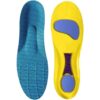
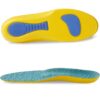
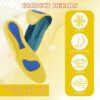
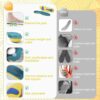
Description
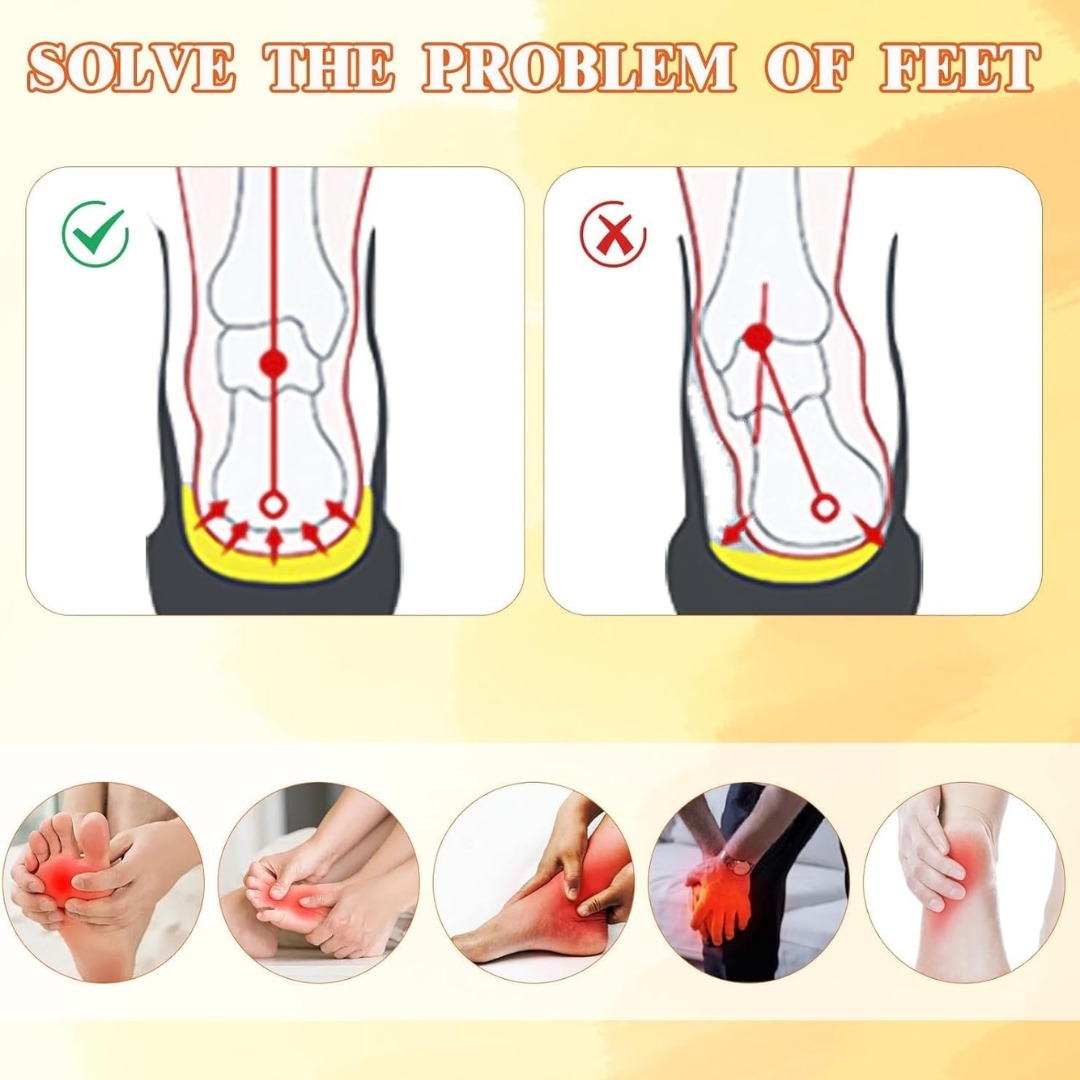
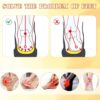
The Problem – Foot Problems Affect Your Entire Body
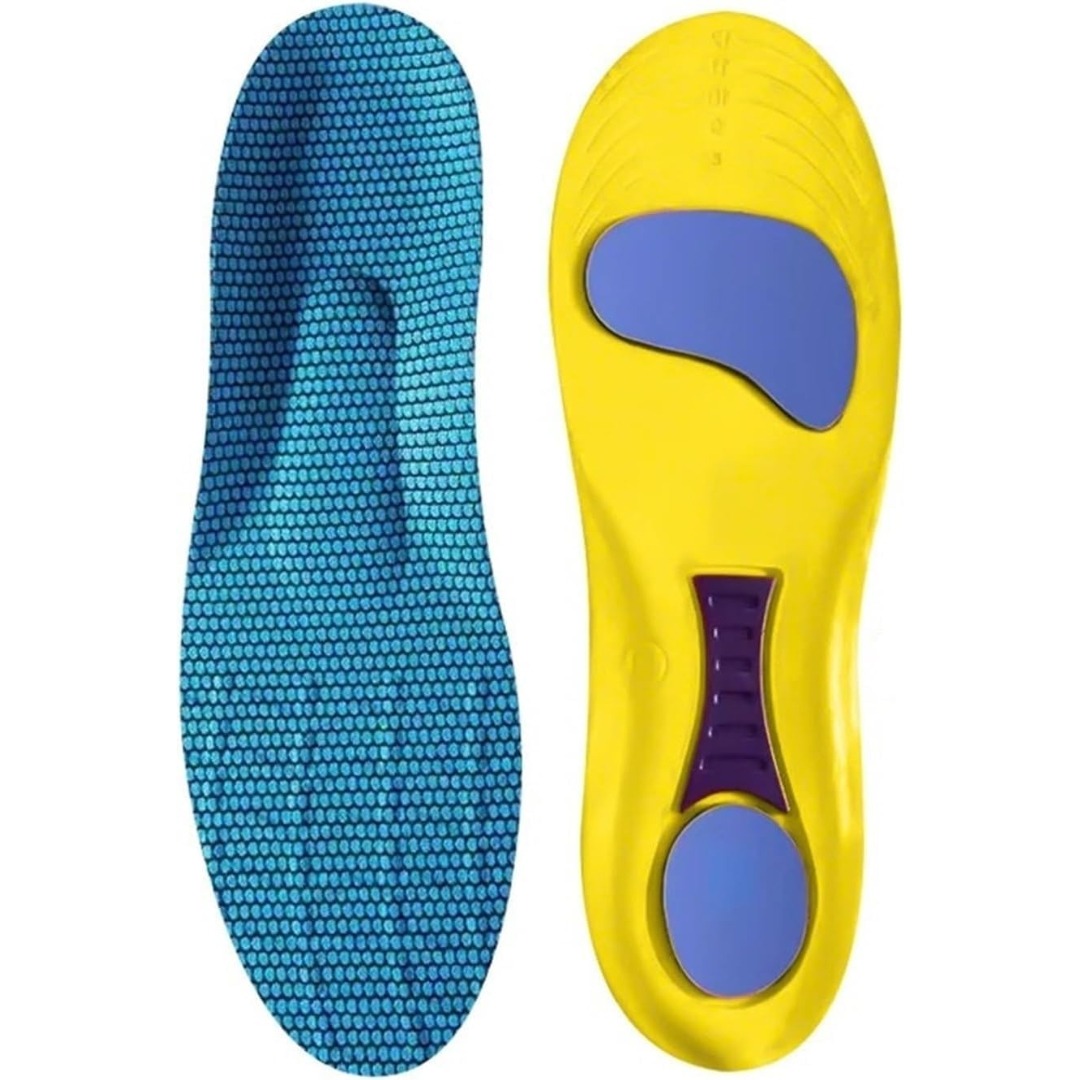
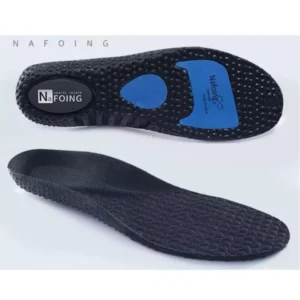
These sole orthotic insoles solve that problem. Consequently, they provide the structural support needed to realign your feet and reduce pain throughout your body.
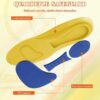
Arch Support for Plantar Fasciitis – Targets Heel Pain (Sole Orthotic Insoles)
Plantar fasciitis causes sharp, stabbing pain in the heel. These insoles are specifically designed to alleviate this condition. Specifically, the firm arch support reduces strain on the plantar fascia ligament. The deep heel cradle cushions and stabilises the heel. Therefore, the morning pain that makes the first steps agonising becomes more manageable. For instance, the ligament is not stretched painfully with each step. Similarly, pain after standing or walking for long periods is less intense. As a result, you can resume daily activities with greater comfort.
The arch support also prevents overpronation. Consequently, this reduces the pulling on the plantar fascia.
Bunion Relief – Supports Proper Toe Alignment
Bunions are painful and progressive. They occur when the big toe angles inward towards the other toes. This creates a bony bump on the side of the foot. These insoles help with bunions. Specifically, the arch support improves overall foot alignment, which can reduce the angle of the bunion over time. The metatarsal pad lifts and separates the toes, relieving pressure on the bunion joint. Therefore, walking becomes less painful. For instance, the bony bump rubs less against your shoes. As a result, bunion pain is reduced.
These insoles are not a cure. Consequently, see a podiatrist for severe bunions.
Flat Feet and Overpronation – Corrects Alignment
Flat feet lack a natural arch. This causes the foot to roll inward (overpronation). Over time, this leads to pain in the feet, knees, hips, and lower back. These insoles provide firm arch support. Specifically, the built-in arch helps lift and support the foot’s natural structure. Therefore, overpronation is reduced or corrected. For instance, walking and running become more efficient. Similarly, the strain on your plantar fascia decreases. As a result, you experience less pain and fatigue.
The arch height is moderate to firm. Consequently, suitable for those with flat feet or fallen arches.
Heel Pain Relief – Deep Heel Cradle (Sole Orthotic Insoles)
Heel pain has many causes: plantar fasciitis, heel spurs, or general fatigue. These insoles feature a deep heel cradle. Specifically, the heel cup surrounds and stabilises the heel bone. Therefore, the heel is held in the correct position. For instance, the fat pad under the heel is not displaced. Impact is absorbed more effectively. As a result, heel pain is significantly reduced.
The deep heel cradle also improves shock absorption. Consequently, each step is softer on your painful heel.
Shock-Absorbing – Protects Joints from Impact
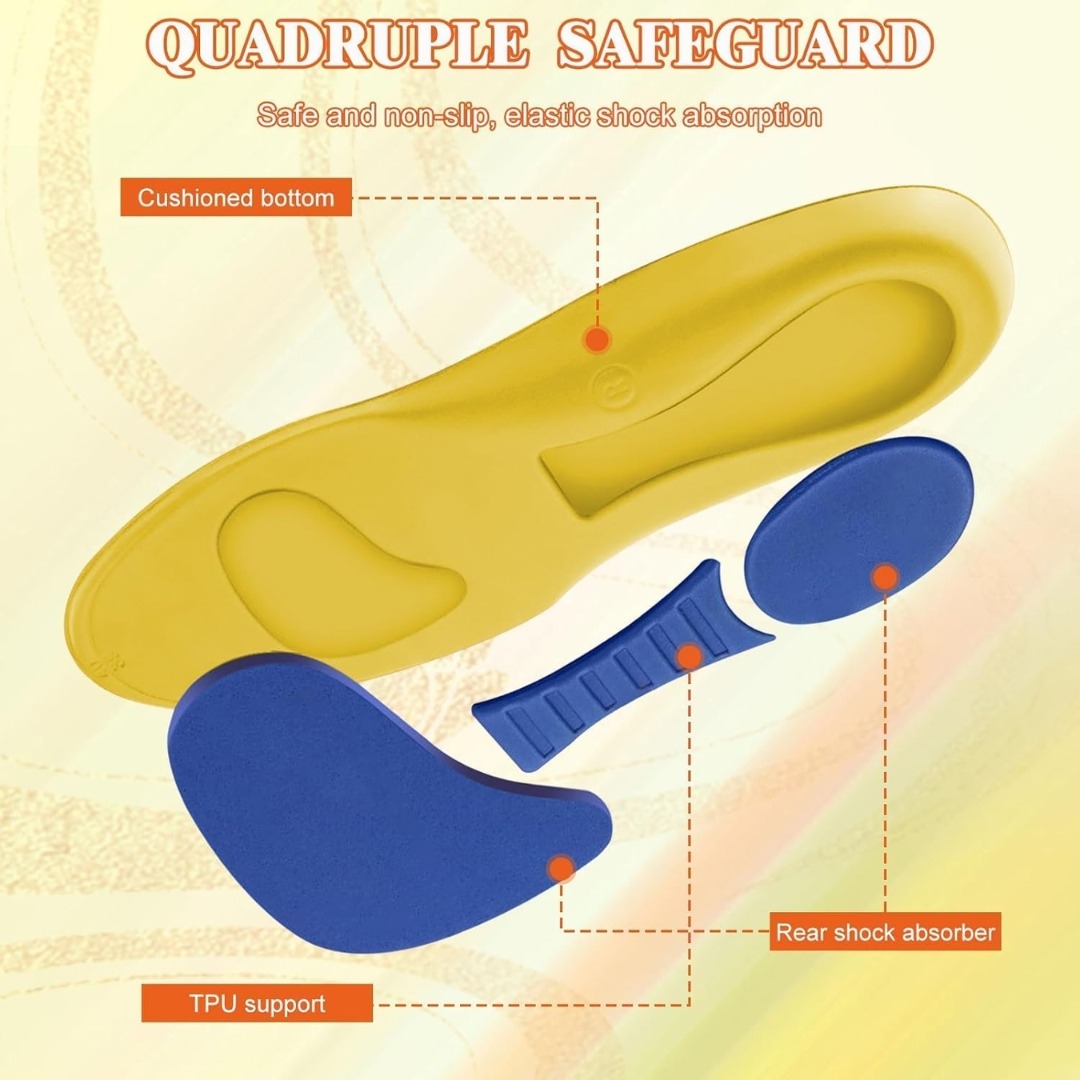
Every step sends shock through your body. Hard surfaces like concrete, tile, and pavement amplify this effect. These insoles feature shock-absorbing technology. Specifically, the material compresses upon impact, absorbing force before it reaches your feet. Therefore, less shock travels up to your knees, hips, and lower back. For instance, walking on hard floors feels less jarring. Standing for hours becomes more bearable. As a result, your joints are protected from premature wear and tear.
This is especially important for older adults. Consequently, it helps maintain mobility.
Sizes Available – Mini, Small, Medium, Large, XL (Sole Orthotic Insoles)
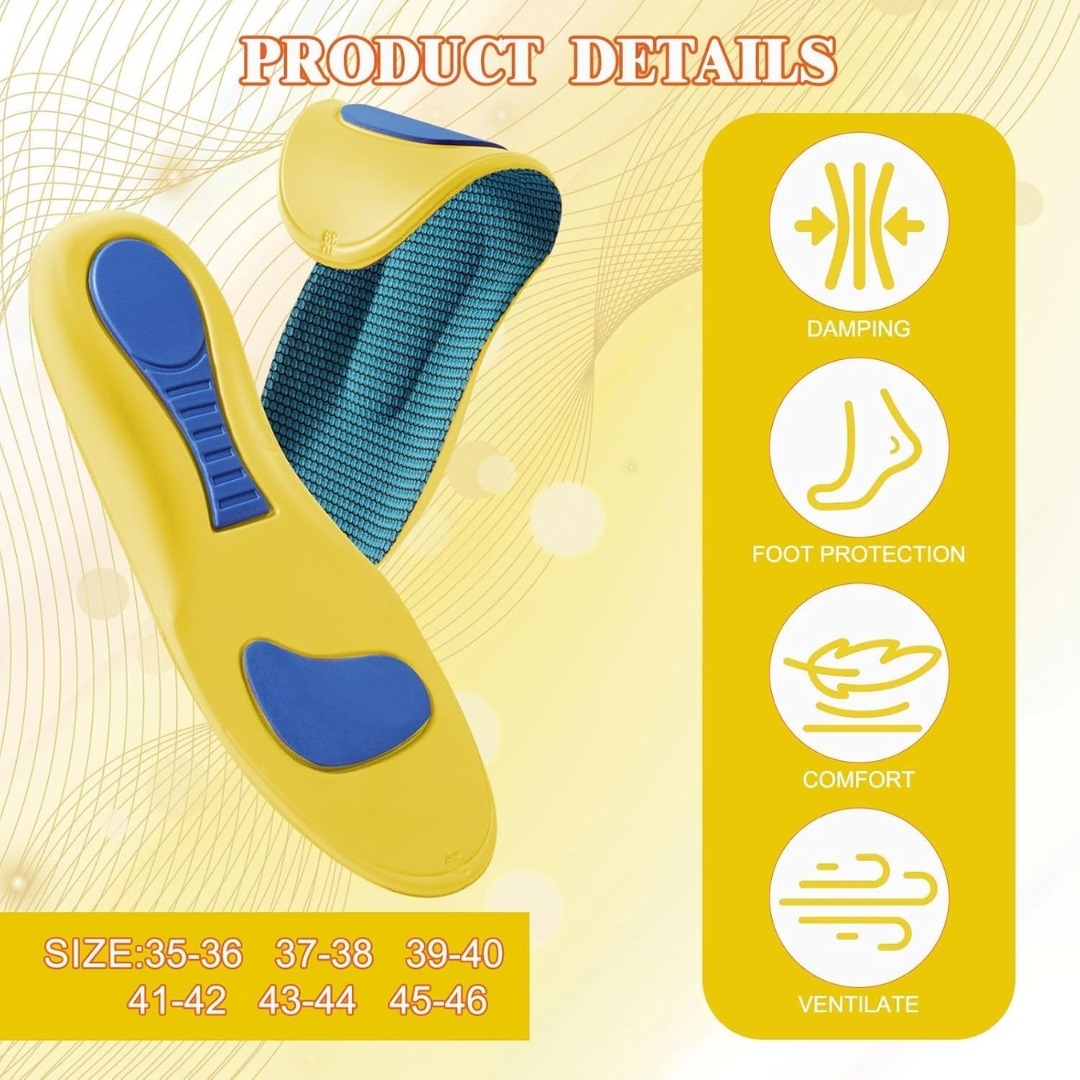
Getting the right fit is essential. These insoles are available in five sizes. Specifically:
-
Mini – fits smaller feet (approx UK women’s 2-4 / children’s large)
-
Small – fits UK men’s 4-6 / women’s 3-5
-
Medium – fits UK men’s 6-8 / women’s 5.5-7.5
-
Large – fits UK men’s 8-10 / women’s 7.5-9.5
-
XL – fits UK men’s 10-12 / women’s 9.5-11
For example, a woman wearing UK size 5 would choose Small. A man wearing UK size 9 would choose Large. As a result, you get a better fit out of the box.
If you are between sizes, size up. Consequently, you can trim the insole slightly for a perfect fit.
Trim to Fit – Customise for Your Shoes (Sole Orthotic Insoles)
Even with size options, some shoes vary. These insoles can be trimmed. Specifically, use the outline of your existing insole as a template. Therefore, you can cut them down for a precise fit. For instance, trace your old insole onto the new orthotic insole. Cut along the line with scissors. As a result, they fit perfectly in any shoe.
Only trim the front (toe) area. Do not trim the heel or arch. Consequently, you maintain the structural integrity.
Fits Multiple Shoe Types – Versatile Use
These orthotic insoles are designed to fit in various shoes. Specifically, they work well in:
-
Trainers and running shoes
-
Work boots and safety shoes
-
Casual shoes and loafers
-
Walking shoes and hiking boots
-
School shoes
For example, wear them in your work boots during the week. Then switch them to your weekend trainers. Similarly, keep one pair in your walking shoes for outdoor adventures. As a result, you get consistent support wherever you go.
Real Use Cases for UK Men and Women (Sole Orthotic Insoles)
Consider a woman with bunions on both feet. She has tried wider shoes and bunion pads, but walking is still painful. A podiatrist recommends orthotic insoles. She buys these sole orthotic insoles. The arch support improves her overall foot alignment. The metatarsal pad relieves pressure on the bunion joint. As a result, she walks more comfortably and enjoys daily activities again.
Similarly, a man with flat feet works as a teacher, standing for six hours a day. He has developed lower back pain and knee strain. His GP suggests trying orthotic insoles. He inserts these insoles into his work shoes. The firm arch support corrects his overpronation. His knees and hips align better. As a result, his back pain decreases, and he finishes his shifts with more energy.
Furthermore, a runner suffers from plantar fasciitis. The heel pain is worst in the morning and after runs. She uses these orthotic insoles in her running shoes and everyday trainers. The deep heel cradle stabilises her heel. The arch support reduces strain on the plantar fascia. As a result, she can continue running without debilitating pain.
Helps with Multiple Conditions – All-in-One Support
These insoles address several common foot problems. Specifically, they help with:
-
Bunions (by improving alignment)
-
Plantar fasciitis (heel pain)
-
Flat feet (fallen arches)
-
Overpronation (feet rolling inward)
-
Heel spurs
-
Metatarsalgia (ball of foot pain)
-
Knee, hip, and lower back pain (from poor alignment)
For example, someone with flat feet and plantar fasciitis gets both supports from one insole. A person with bunions and heel pain is also covered. As a result, you do not need multiple products.
Firm Arch Support – Corrects, Not Just Cushions (Sole Orthotic Insoles)
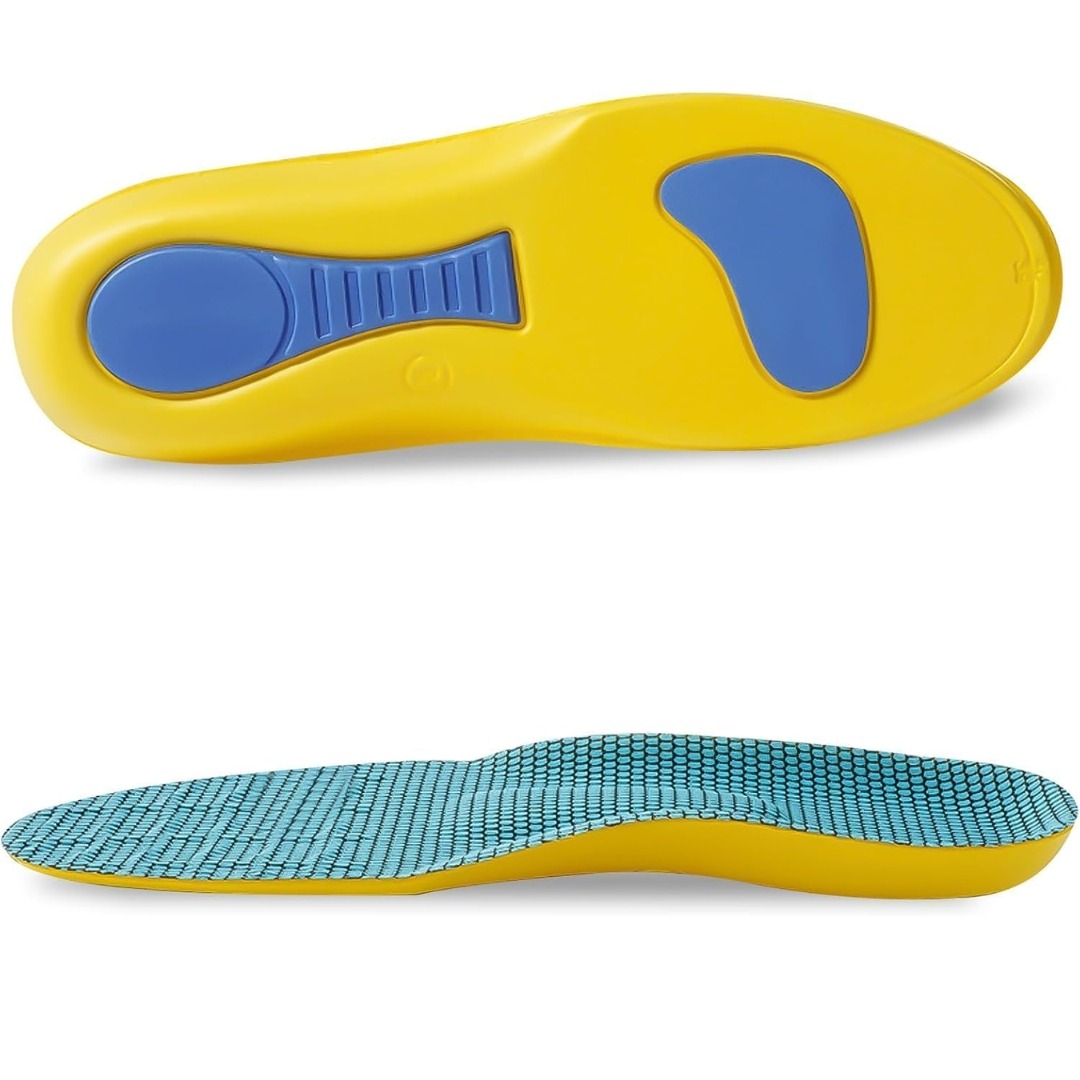
Soft insoles feel comfortable but do not correct structural issues. These insoles feature firm arch support. Specifically, the arch is rigid enough to resist collapsing under your body weight. Therefore, your foot is actually held in the correct position. For instance, flat feet are lifted. Overpronation is blocked. As a result, you get genuine correction, not just temporary comfort.
The top layer is soft for comfort. Consequently, the firm support does not feel harsh.
Deep Heel Cradle – Stabilises the Heel
The heel is the first point of impact with every step. These insoles feature a deep heel cradle. Specifically, the cup surrounds the heel, holding it firmly in place. Therefore, the heel does not roll or shift. For instance, the fat pad under the heel stays centred. Impact is distributed evenly. As a result, heel pain is reduced and stability is improved.
The deep cradle also improves shock absorption. Consequently, less impact travels up your leg.
Orthotic Design – Medical-Grade Support
These are not basic comfort insoles. Specifically, they feature a rigid or semi-rigid arch support shell. Therefore, they provide the structural correction that podiatrists recommend. For instance, the firmness prevents the arch from collapsing under body weight. Similarly, the deep heel cradle stabilises the calcaneus (heel bone). As a result, they are suitable for chronic conditions like plantar fasciitis and flat feet.
The top layer is soft for comfort. Consequently, the firm support does not feel harsh on your feet.
Durable – Long-Lasting Support
Cheap insoles flatten within weeks. These orthotic insoles are built to last. Specifically, the rigid arch shell maintains its shape. The foam layer is high-density. Therefore, they provide consistent support for months. For instance, use them daily for 6-12 months. They will still provide the necessary correction. As a result, you get excellent value.
Replace them when the top layer shows wear or the arch feels less supportive. Consequently, maintain optimal benefits.
Easy to Clean – Maintain Hygiene (Sole Orthotic Insoles)
These insoles are easy to maintain. Specifically, remove them from your shoes at night to air out. Wipe the surface with a damp cloth as needed. Do not submerge them in water or put them in a washing machine. For odour control, sprinkle with baking soda and shake off after a few hours. As a result, they will stay fresh and functional for months.
The top fabric is moisture-wicking. Consequently, your feet stay drier.
Break-In Period – Important for Orthotics
Firm orthotic insoles feel different from soft insoles. Specifically, your feet are being corrected, not just cushioned. Therefore, wear them for short periods first. Gradually increase to full-day wear over 1-2 weeks. For instance, wear them for 1-2 hours on the first day. Increase by an hour each day. As a result, your feet adapt without excessive soreness.
Mild discomfort during break-in is normal. If you experience sharp pain, reduce wear time. Consequently, be patient for best results.
Affordable Alternative to Custom Orthotics
Custom orthotics from a podiatrist cost £200-£400. These sole orthotic insoles offer similar structural support at a fraction of the cost. Specifically, they provide firm arch support, heel stabilisation, and motion control. Therefore, they are an excellent first-line treatment for mild to moderate foot conditions. For instance, try these before investing in expensive custom options. Similarly, use them as a backup or travel pair for your custom orthotics. As a result, you save money while still getting effective relief.
They are not a replacement for medical advice. Consequently, see a podiatrist for severe or persistent pain.
This sole orthotic insoles for bunions arch support plantar fasciitis is supplied by Sellertree, a UK-based online seller of practical orthotic and foot care essentials.
BULLET POINTS
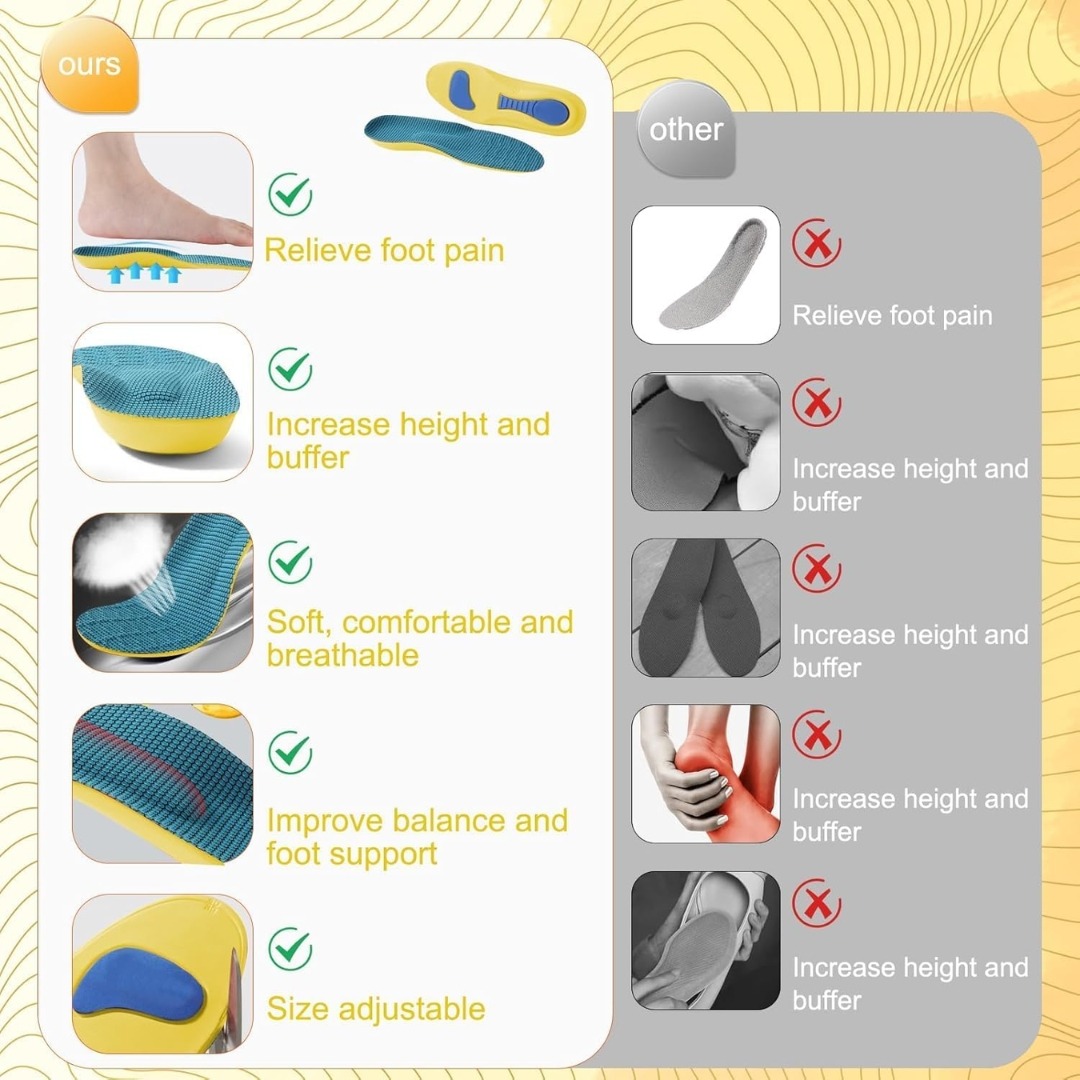
✅ Arch support for plantar fasciitis – reduces heel pain and strain
✅ Bunion relief – improves toe alignment, reduces pressure
✅ Flat feet and overpronation – corrects foot alignment
✅ Heel pain relief – deep heel cradle stabilises the heel
✅ Shock-absorbing – protects feet, knees, and lower back
✅ Five sizes – Mini, Small, Medium, Large, XL
✅ Trim to fit – customise for a perfect fit
✅ Orthotic design – firm support for structural correction
SPECIFICATIONS TABLE
| Feature | Detail |
|---|---|
| Product type | Orthotic insoles |
| Gender | Unisex (men and women) |
| Arch support | Firm, structured |
| Heel cradle | Deep for stabilisation |
| Shock absorption | Yes |
| Bunion relief | Yes (via alignment and metatarsal pad) |
| Trim to fit | Yes (front area only) |
| Sizes | Mini, Small, Medium, Large, XL |
| Suitable for | Plantar fasciitis, flat feet, overpronation, heel pain, bunions |
| Replacement | Every 6-12 months |
HOW TO USE
-
Remove the existing insole from your shoe (if removable).
-
Select the correct size (Mini to XL) based on your shoe size.
-
Place the orthotic insole into the shoe, ensuring the heel sits fully in the heel cup.
-
If the insole is too long, trim the front (toe) area with scissors only.
-
Do not trim the heel or arch area.
-
Wear for 1-2 hours on the first day to begin the break-in period.
-
Gradually increase wear time over 1-2 weeks.
-
Remove insoles from shoes at night to air out.
Reviews
There are no reviews yet.