

Description
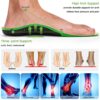
The Problem – Flat Feet and Poor Posture Cause Pain Throughout the Body
These EVA orthopedic insoles solve that problem. Consequently, they provide the structural support needed to realign your feet and improve your overall posture.
Arch Support for Flat Feet – Restores Natural Foot Position (Eva orthopedic shoe insoles)
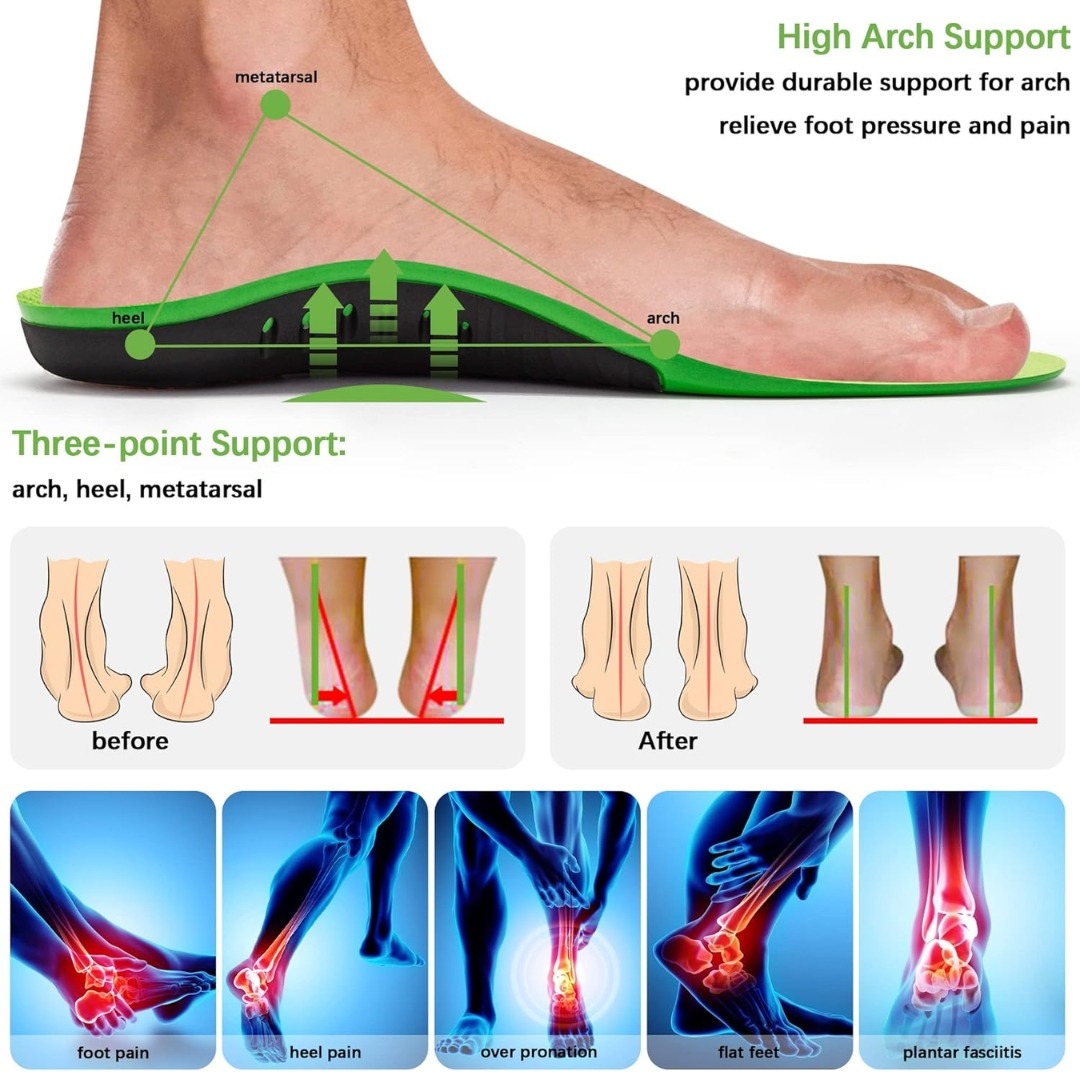
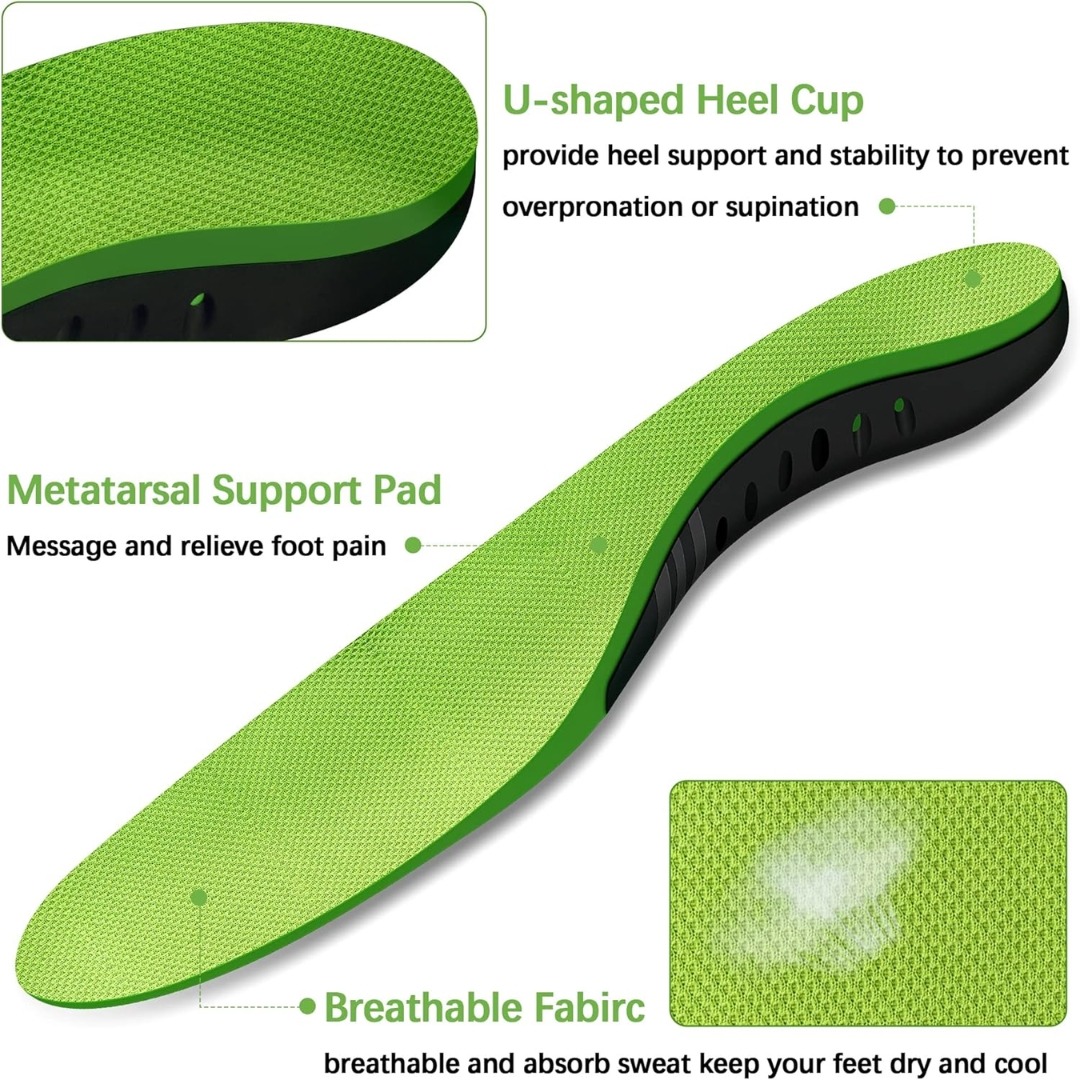
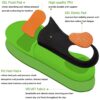
Flat feet lack a natural arch. This causes the entire foot structure to collapse inward. These insoles feature a built-in arch support. Specifically, the raised arch lifts the foot back into its correct anatomical position. Therefore, overpronation is significantly reduced. For instance, walking and running become more efficient. Similarly, the strain on your plantar fascia and surrounding ligaments decreases. As a result, foot pain, arch fatigue, and heel discomfort are alleviated.
The arch support is firm yet comfortable. Consequently, it provides the necessary structure without being painful to wear.
X/O Type Leg Correction – Improves Overall Alignment
Foot posture directly affects leg alignment. For example, flat feet often contribute to X-shaped legs (knock knees), where the knees angle inward. Similarly, high arches can contribute to O-shaped legs (bow legs). These insoles are designed to help correct these issues. Specifically, by supporting the arch and preventing overpronation, they encourage the knees and hips to track straighter. Therefore, the entire kinetic chain from foot to hip is improved. For instance, standing with better posture feels more natural. Walking with proper alignment becomes effortless. As a result, the risk of developing chronic knee and hip pain is reduced.
For noticeable leg alignment issues, consult a healthcare professional. Consequently, use these insoles as a supportive measure, not a sole treatment.
EVA Material – Lightweight and Durable
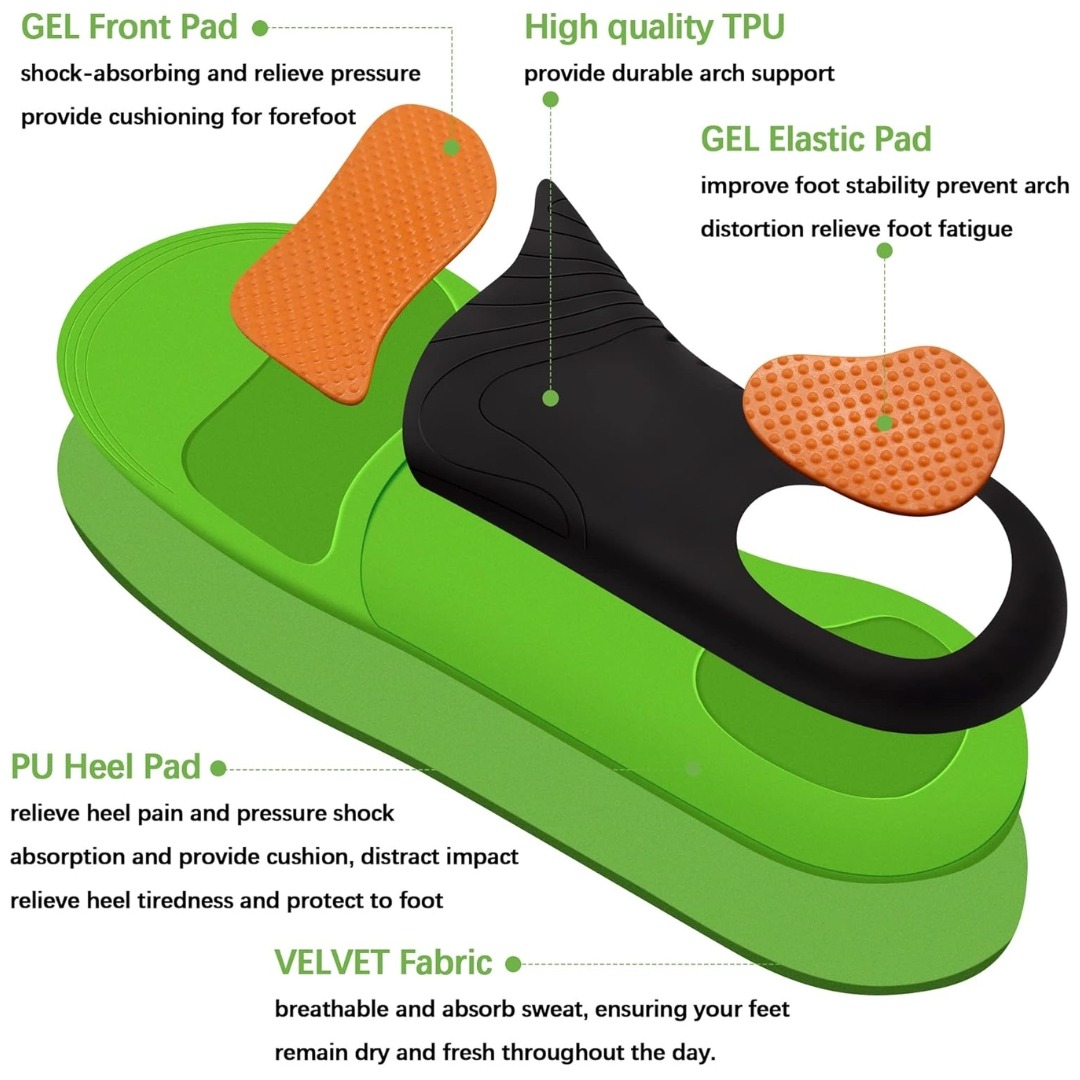
EVA (ethylene-vinyl acetate) is a premium material for insoles. Specifically, it is lightweight, flexible, and highly durable. Therefore, these insoles add minimal weight to your shoes. For instance, wear them in running shoes without feeling weighed down. Similarly, they withstand daily use without compressing or losing shape. As a result, they provide consistent support for months.
EVA also offers excellent shock absorption. Consequently, your joints are protected from impact.
Best S – EU 39-40 for Standard Adult Feet (Eva orthopedic shoe insoles)
Getting the right size is essential for effective support. This listing includes Best S size. Specifically, Best S fits EU shoe sizes 39-40. Therefore, it is ideal for adults with standard-sized feet. For instance, a woman wearing UK size 6-6.5 (EU 39-40) would choose Best S. Similarly, a man with smaller feet might also fit this size. As a result, you get the correct arch placement.
Check your shoe size before ordering. Consequently, ensure the best fit.
XL – EU Extra Large 45-46 for Larger Feet (Eva orthopedic shoe insoles)
Larger feet need larger insoles. This listing also includes XL size. Specifically, XL fits EU shoe sizes 45-46. Therefore, it is perfect for men or women with larger feet. For instance, a man wearing UK size 11-11.5 (EU 45-46) would choose XL. Similarly, anyone with EU 45-46 feet gets the proper support. As a result, no more using insoles that are too small.
The XL size provides full coverage from heel to toe. Consequently, every step is supported.
Sports Shoe Insert – Perfect for Active Lifestyles
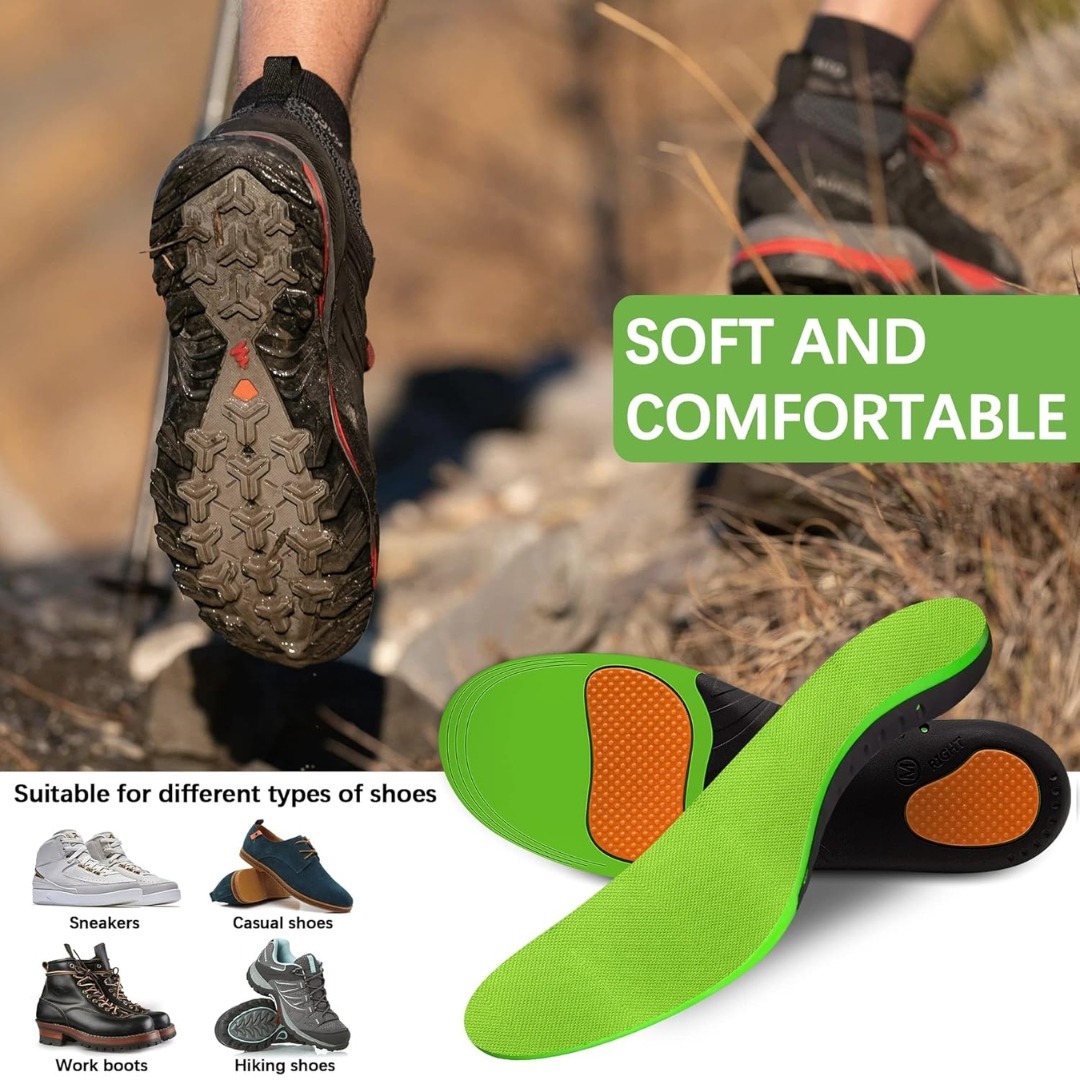
These insoles are designed for sports shoes. Specifically, they fit well in:
-
Running trainers and jogging shoes
-
Gym trainers and cross-trainers
-
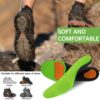
Walking shoes and hiking boots
-
Football boots and rugby boots (check fit)
-
Court shoes for tennis, badminton, and basketball
For example, a runner with flat feet uses these insoles to prevent overpronation. Similarly, a gym-goer uses them for stability during squats and lunges. As a result, you can stay active with reduced pain and better form.
The insoles are low-profile. Consequently, they do not make your sports shoes feel tight.
Real Use Cases for UK Adults (Eva orthopedic shoe insoles)
Consider a warehouse worker who spends eight hours a day on their feet. They have flat feet and have developed knee pain. Their GP suggests trying orthotic insoles. They choose these EVA insoles in their size. For instance, they insert them into their safety boots. The arch support corrects their overpronation. The EVA material absorbs shock from walking on concrete. As a result, they finish their shifts with less knee pain and more energy.
Similarly, a recreational runner experiences shin splints and heel pain. A physiotherapist identifies overpronation caused by flat feet. The runner buys these insoles for their running shoes. For example, the arch support prevents their foot from rolling inward. The cushioning reduces impact with each stride. As a result, they can continue running without aggravating their injuries.
Furthermore, a parent notices their teenage child has developed knock knees (X-shaped legs). The child is active in sports but complains of knee discomfort. The parent buys these insoles as a supportive measure. For instance, the child wears them in school shoes and trainers. The arch support encourages better alignment. As a result, the child feels more comfortable and the parent feels proactive about their health.
Orthopedic Design – Recommended for Flat Feet and Overpronation
Orthopedic insoles are designed to address specific biomechanical issues. These insoles are ideal for:
-
Flat feet (fallen arches)
-
Overpronation (feet rolling inward)
-
X-shaped legs (knock knees) and O-shaped legs (bow legs)
-
Plantar fasciitis (as supportive therapy)
-
General foot, knee, or hip pain from poor alignment
For example, a podiatrist might recommend supportive insoles for a patient with overpronation. Similarly, they are suitable for people with early-stage flat feet to prevent progression. As a result, they are a valuable self-care tool.
EVA vs Gel Insoles – Why EVA Wins for Support
Gel insoles are soft but lack structural support. EVA is different. Specifically, EVA provides firm, consistent arch support that does not collapse under weight. Therefore, it is better for correcting biomechanical issues like overpronation. For instance, gel might feel comfortable initially but fails to hold the foot in correct alignment. EVA maintains its shape. As a result, your feet are properly supported all day.
EVA is also lighter than gel. Consequently, your shoes do not feel heavier.
Works in Multiple Shoe Types – Versatile Use (Eva orthopedic shoe insoles)
These insoles are not limited to sports shoes. Specifically, they fit well in:
-
Work boots and safety boots
-
Casual shoes and loafers
-
School shoes
-
Walking shoes
-
Some wellington boots (depending on fit)
For instance, wear them in your work boots for all-day support. Then switch them to your weekend trainers. Similarly, keep one pair in your school shoes and another in your sports shoes. As a result, you get consistent support wherever you go.
How to Use – Simple Insertion (Eva orthopedic shoe insoles)
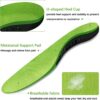
Using these insoles is straightforward. First, remove the existing insole from your shoe (if removable). Insert the EVA insole with the arch support positioned correctly under your arch. The heel should sit snugly in the heel cup. If the insole is too long, you can trim the front edge with scissors. However, the Best S and XL sizes are designed to fit their respective EU ranges without trimming. For best results, wear the insoles for a few hours on the first day to allow your feet to adjust. As a result, you will experience maximum benefit.
For severe flat feet, it may take several days to feel completely comfortable. Consequently, be patient during the break-in period.
Break-In Period – Start Slowly
New orthotic insoles can feel strange at first. Specifically, your feet are being supported in a new way. Therefore, wear them for a few hours on the first day. Gradually increase to full-day wear over a week. For instance, wear them for a morning walk, then switch back to your old insoles. The next day, wear them for longer. As a result, your feet will adapt without discomfort.
After the break-in period, you will likely wonder how you managed without them. Consequently, stick with it for best results.
Care Instructions – Keep Them Fresh
These insoles are easy to maintain. Specifically, remove them from your shoes at night to air out. Wipe the surface with a damp cloth as needed. Do not submerge them in water or put them in a washing machine. For odour control, sprinkle with baking soda and shake off after a few hours. As a result, they will stay fresh and functional for months.
Replace the insoles every 6-12 months depending on wear. Consequently, you maintain optimal support.
Affordable Alternative to Custom Orthotics
Custom orthotics from a podiatrist can cost £200-£400. These EVA insoles offer many of the same benefits at a fraction of the cost. Specifically, they provide firm arch support, motion control, and leg alignment assistance. Therefore, they are an excellent first-line treatment for mild to moderate flat feet and overpronation. For instance, try these before investing in expensive custom options. Similarly, use them as a backup or travel pair for your custom orthotics. As a result, you save money while still getting effective relief.
They are not a replacement for medical advice. Consequently, see a podiatrist for severe or persistent pain.
Note – Not a Medical Device
These insoles are supportive footwear accessories. Specifically, they are not a medical device. Therefore, they do not guarantee correction of X/O type legs or other conditions. For instance, severe structural issues may require professional intervention. As a result, manage your expectations accordingly.
For best results, combine these insoles with appropriate exercises and stretches. Consequently, you address both support and muscle strength.
This EVA orthopedic shoes sole insoles for feet arch foot pad X/O type leg correction is supplied by Sellertree, a UK-based online seller of practical foot care and orthopedic essentials.
BULLET POINTS
✅ Arch support for flat feet – restores natural foot position, reduces overpronation
✅ X/O type leg correction – improves alignment from foot to hip
✅ EVA material – lightweight, durable, and shock-absorbing
✅ Best S size – EU 39-40 for standard adult feet (UK 6-6.5 approx)
✅ XL size – EU 45-46 for larger feet (UK 11-11.5 approx)
✅ Sports shoe insert – perfect for running, gym, walking, and court sports
✅ Orthopedic design – firm support for biomechanical issues
✅ Affordable alternative – effective support without expensive custom orthotics
SPECIFICATIONS TABLE
| Feature | Detail |
|---|---|
| Product type | Orthopedic shoe insoles |
| Material | EVA (ethylene-vinyl acetate) |
| Arch support | Yes – firm, built-in |
| Primary use | Flat feet, overpronation, X/O leg alignment |
| Best S size | EU 39-40 (approx UK 6-6.5) |
| XL size | EU 45-46 (approx UK 11-11.5) |
| Suitable for | Sports shoes, work boots, casual shoes |
| Replacement interval | Every 6-12 months with regular use |
| Not a medical device | Supportive accessory only |
HOW TO USE (Eva orthopedic shoe insoles)
-
Remove the existing insole from your shoe (if removable).
-
Select the correct size (Best S for EU 39-40, XL for EU 45-46).
-
Insert the EVA insole into your shoe with the arch support positioned under your arch.
-
Ensure the heel sits snugly in the heel cup.
-
Wear the shoes normally. Start with a few hours on the first day.
-
Gradually increase wear time over a week to allow your feet to adjust.
-
Remove insoles from shoes at night to air out.

Reviews
There are no reviews yet.